Muscat: Sultan Qaboos Grand Mosque
My fourth day in Oman was the first officlal day of the photography workshop. The previous evening, after the eventful hike, was spent tending to the numerous cuts and bruises on my arms and applying various ointments and antiseptics to ensure infection would not take hold.
Looking as if I had been self-harming for some years, I opted to wear a long sleeve shirt to avoid awkard questions, and so, despite some pain, I managed to get to sleep, awake at 5 am (or some such hour) and proceed to meet the rest of the group as if nothing was amiss.
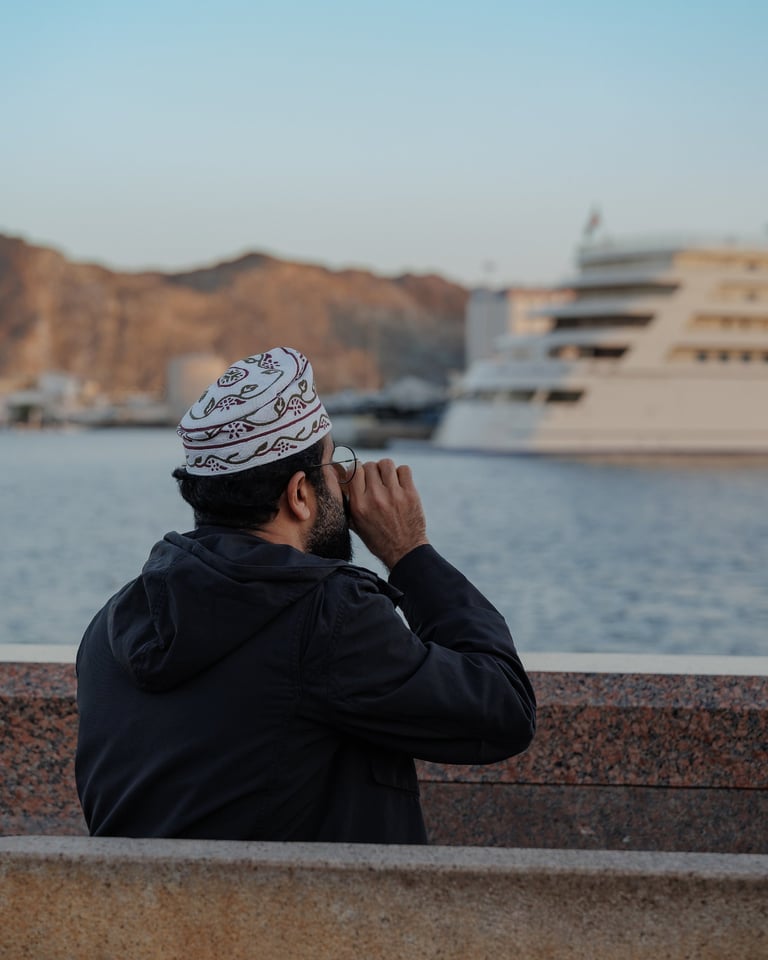
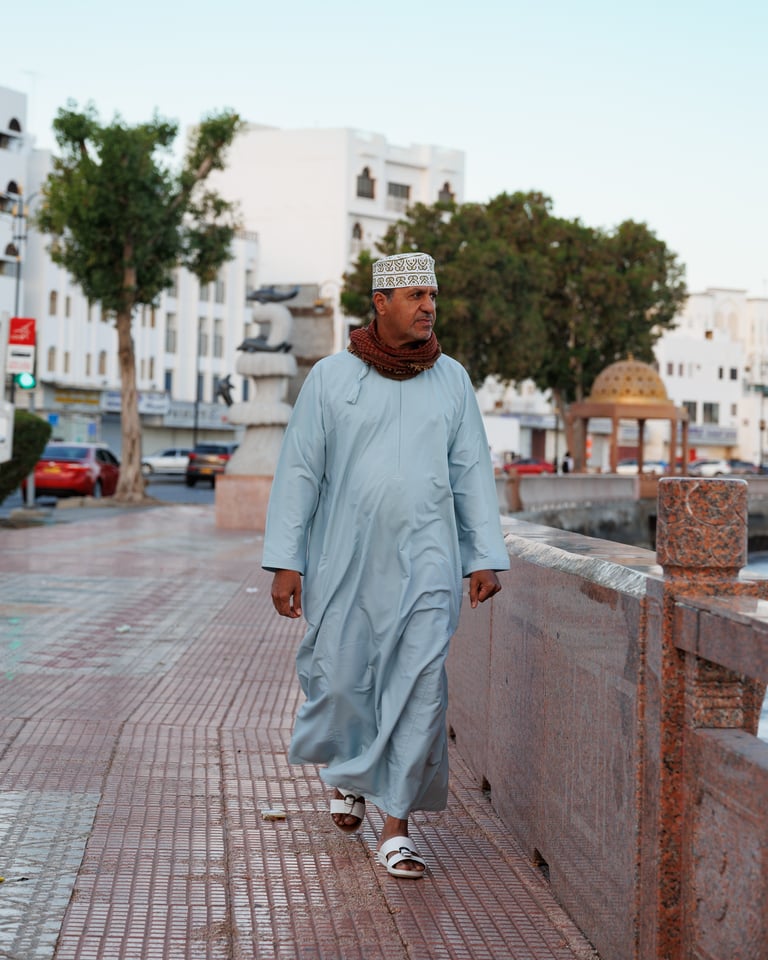
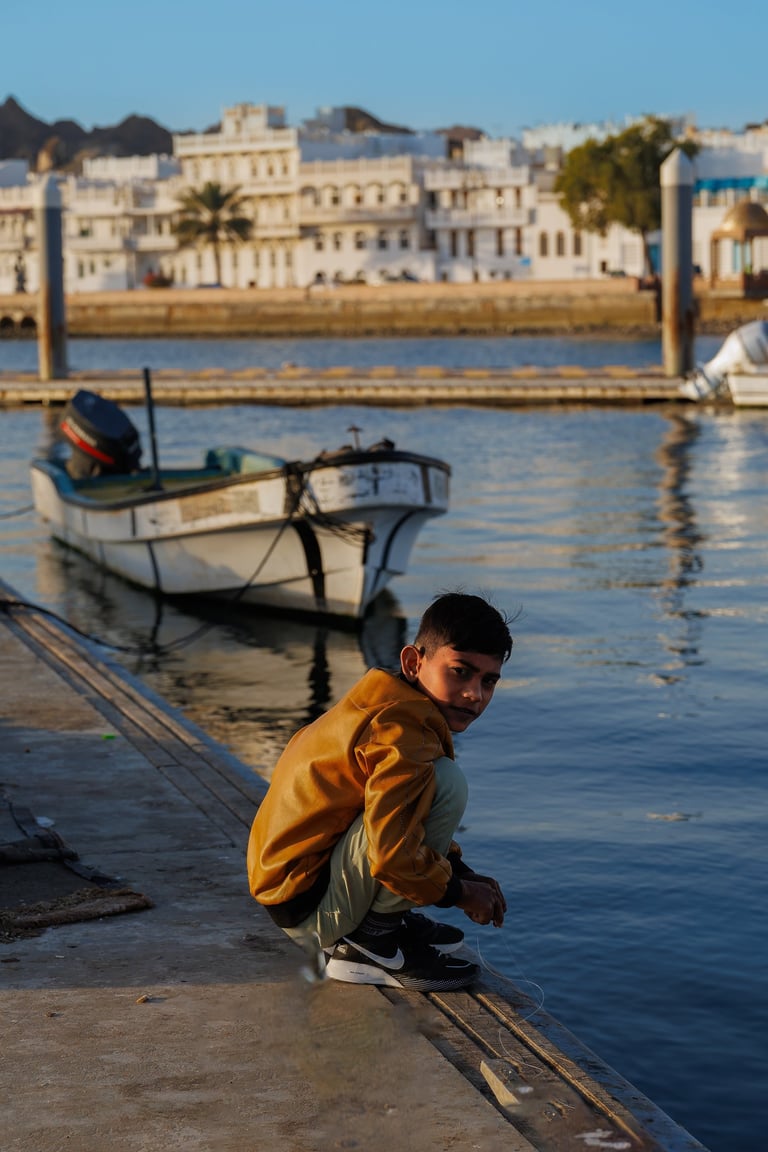
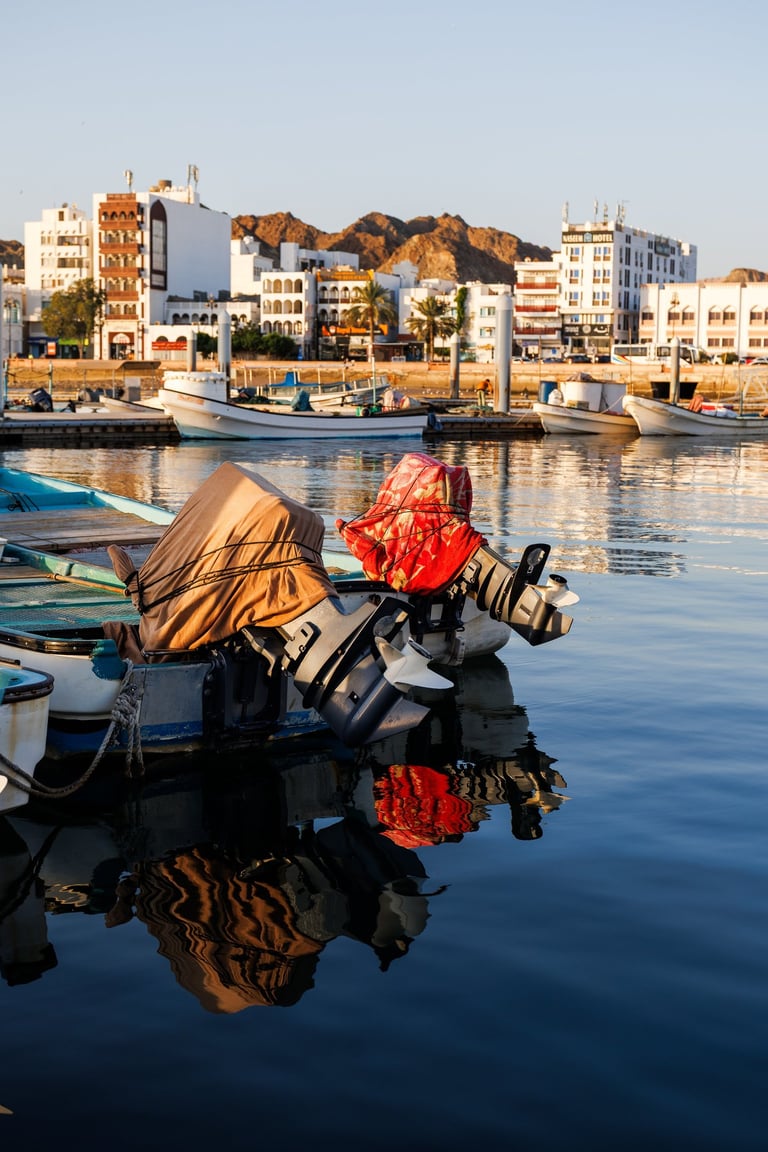
Today we would be visiting the Grand Mosque In Muscat which is only open to non-Muslims before 11am, but to start the day we spent some time along the Corniche at sunrise; the plan was to photograph the fishermen returning with their catch, but due to rough seas, not many boats had gone out so fish were in short supply. Nonetheless, it was good to get the cameras out and get into the spirit of the trip and capture people out early.
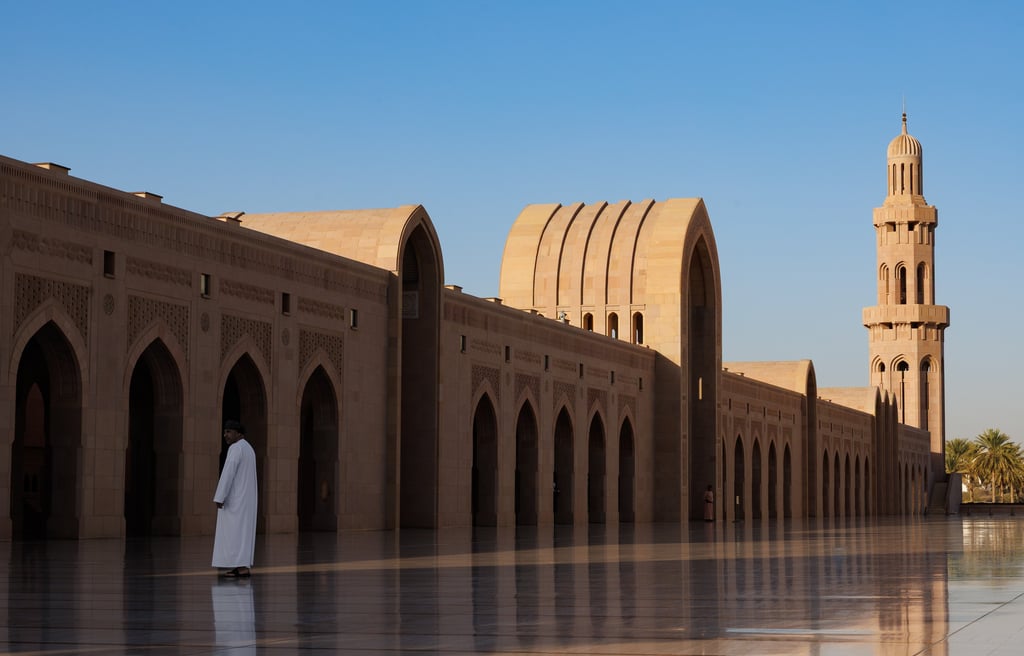
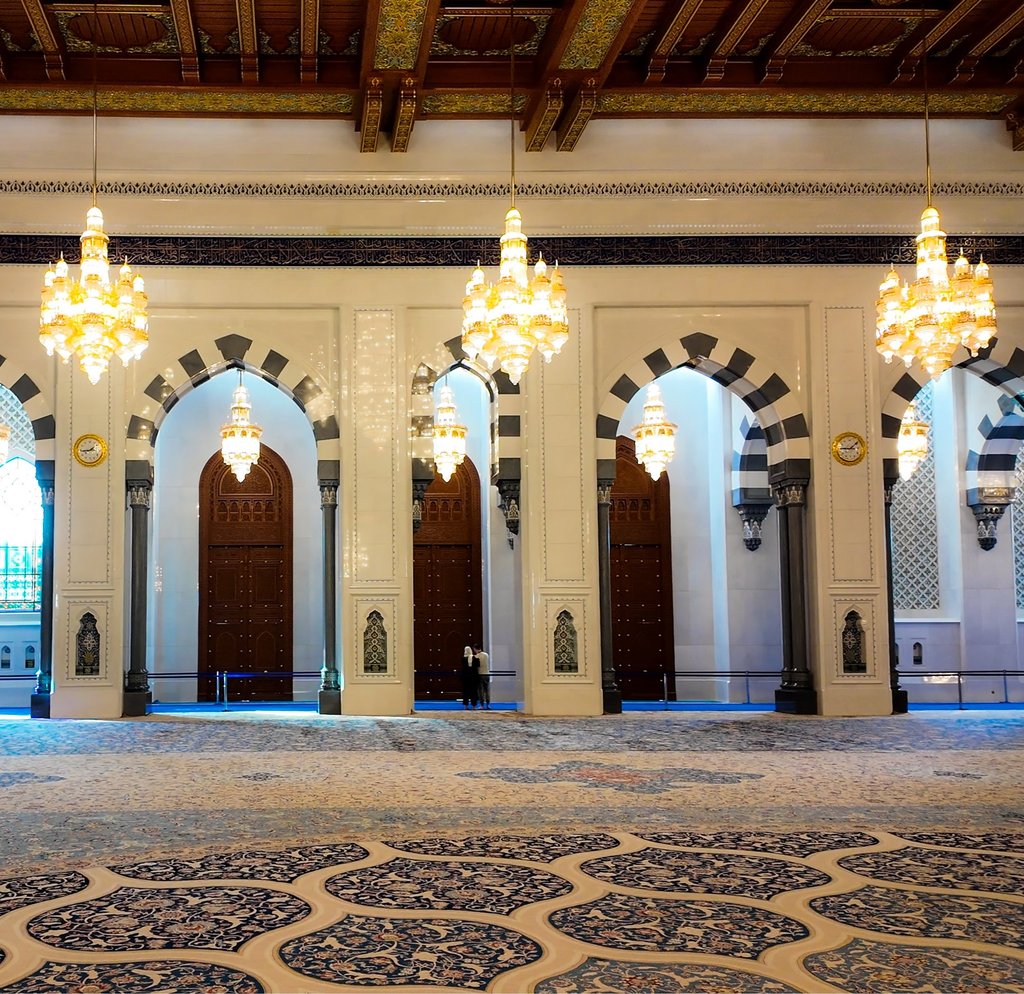
And so on to the Grand Mosque, and very grand it is. Completed in 2001, after six years of construction, it has a contemporary Islamic style and can accommodate some 20,000 worshippers within its grounds which cover an area of 416,000 square metres. It was constructed to celebrate Sultan Qaboos' 30 year reign.
The outer courtyards are beautiful in their simplicity, with clean polished reflective surfaces - photographer's dream, really.
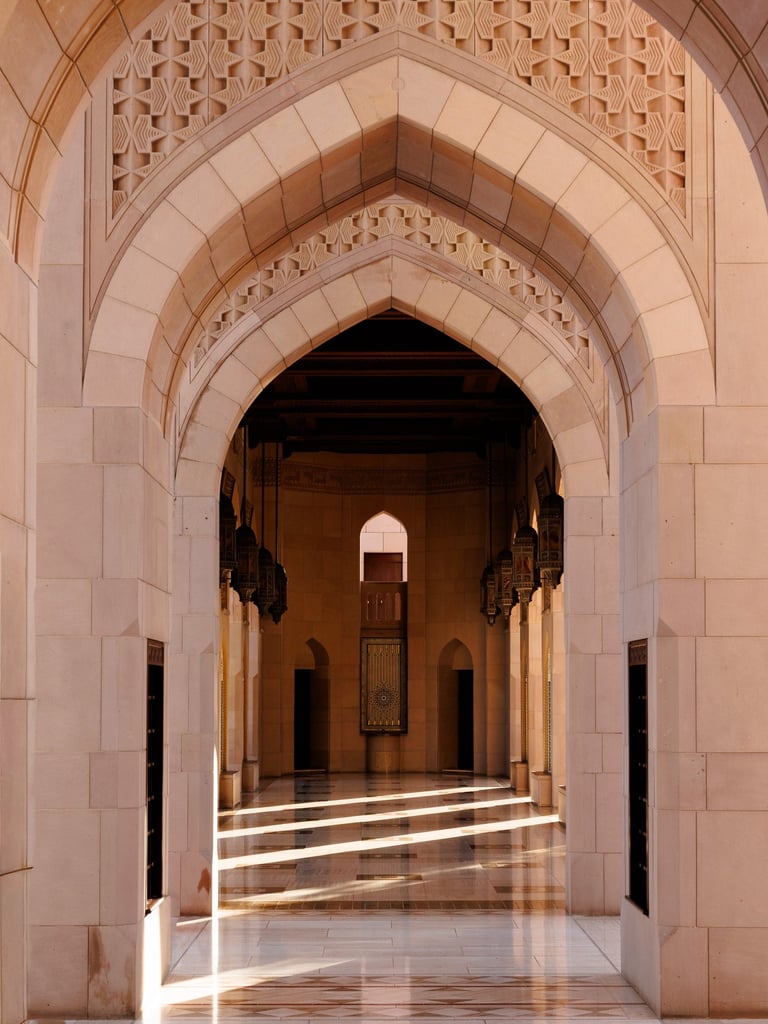
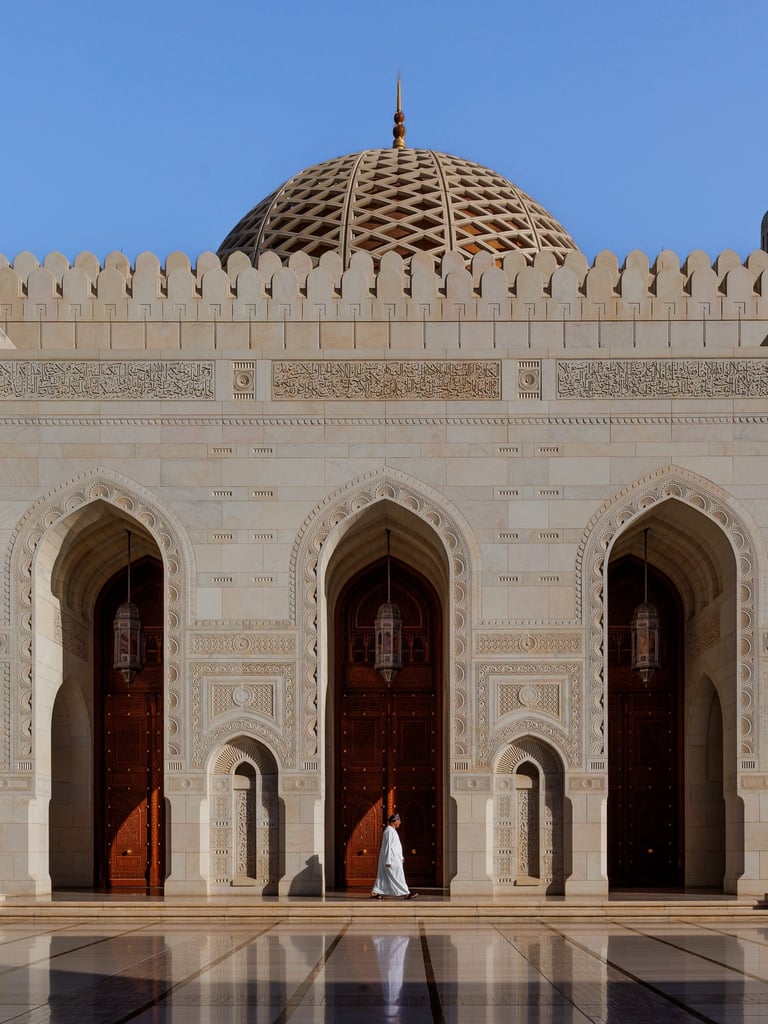
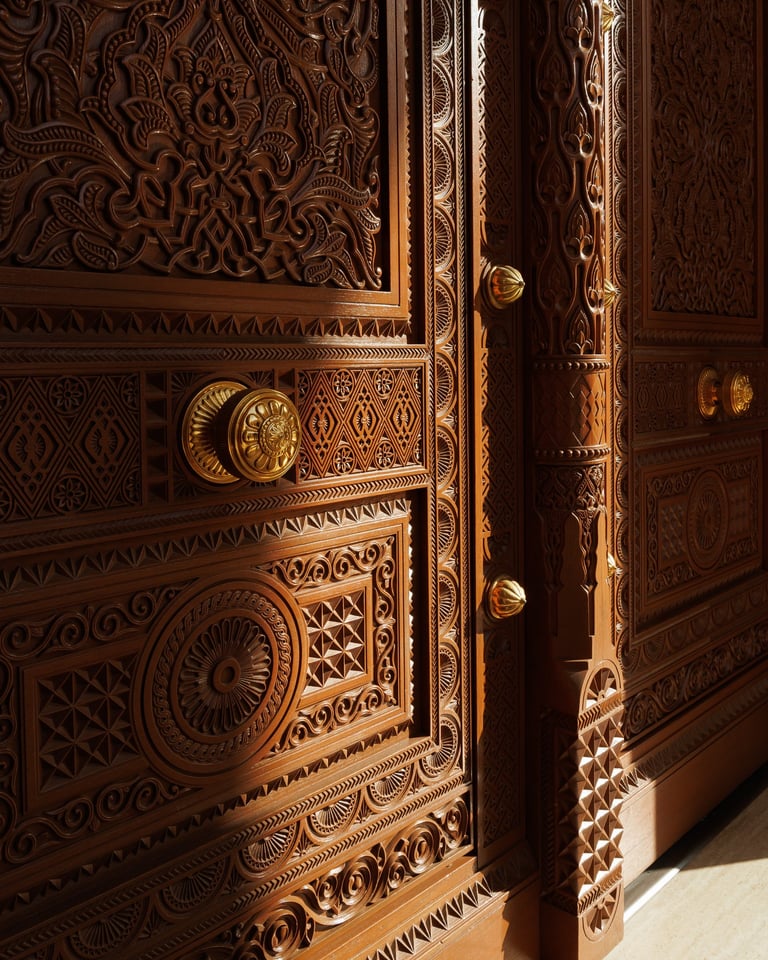
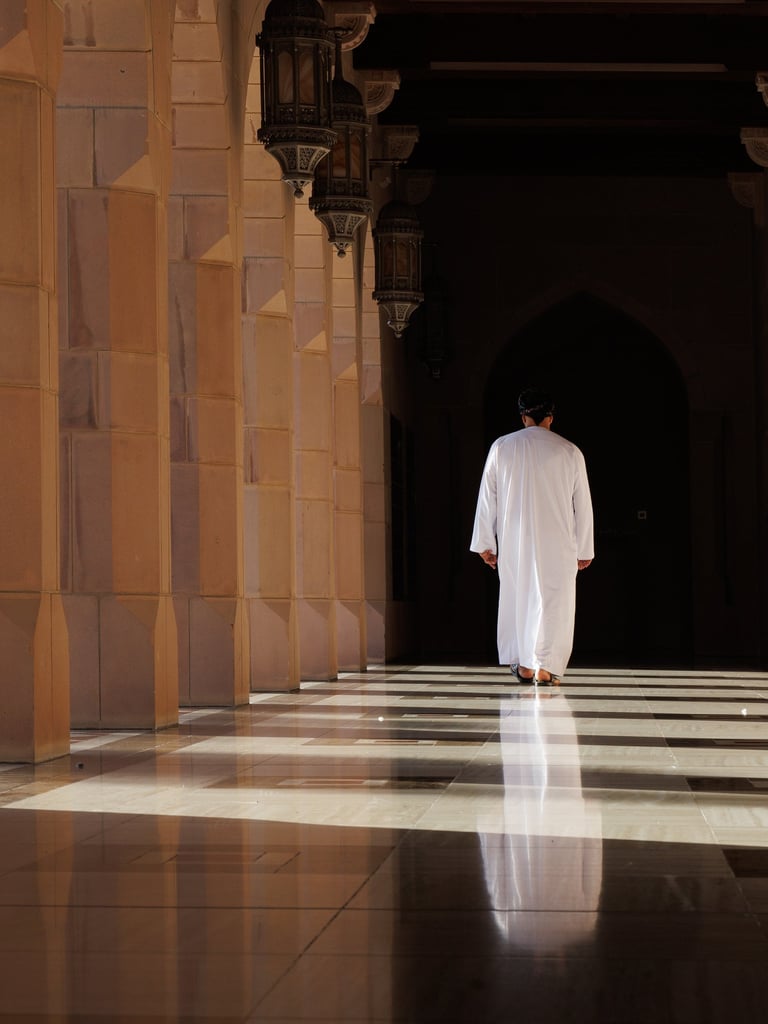
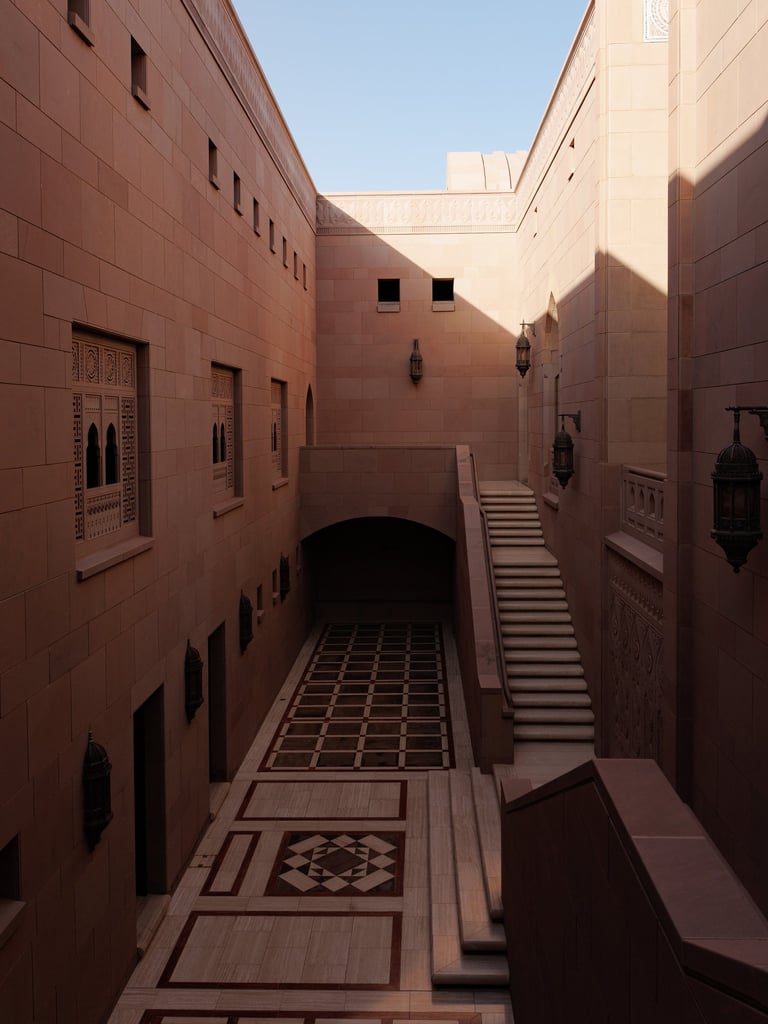
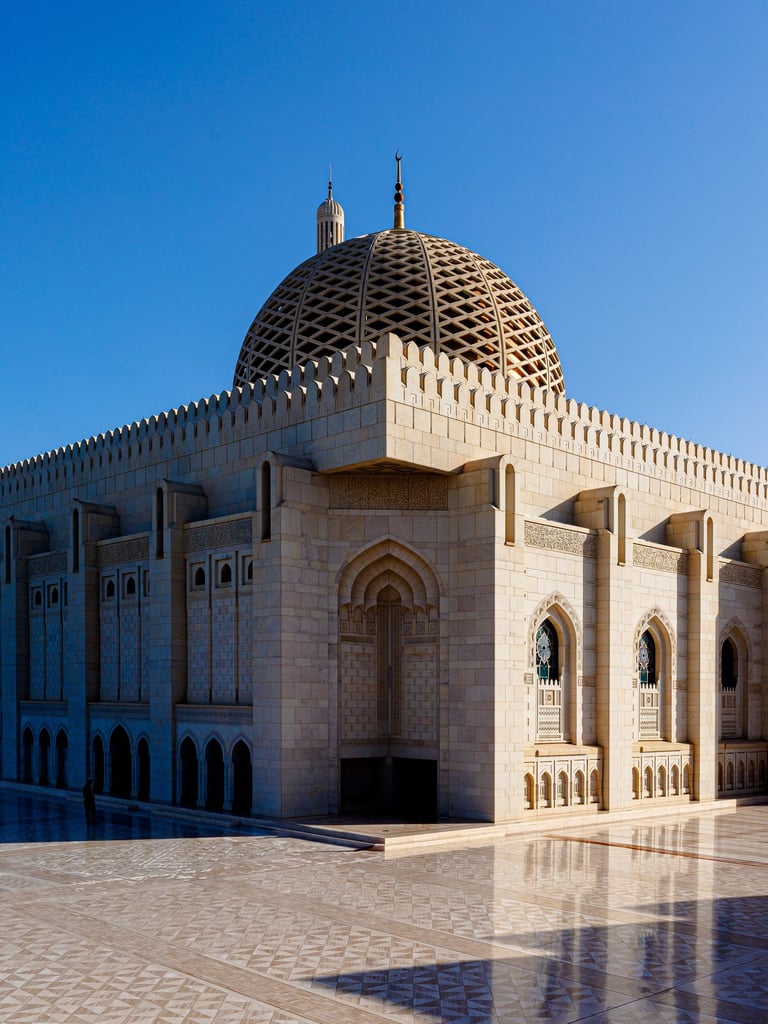
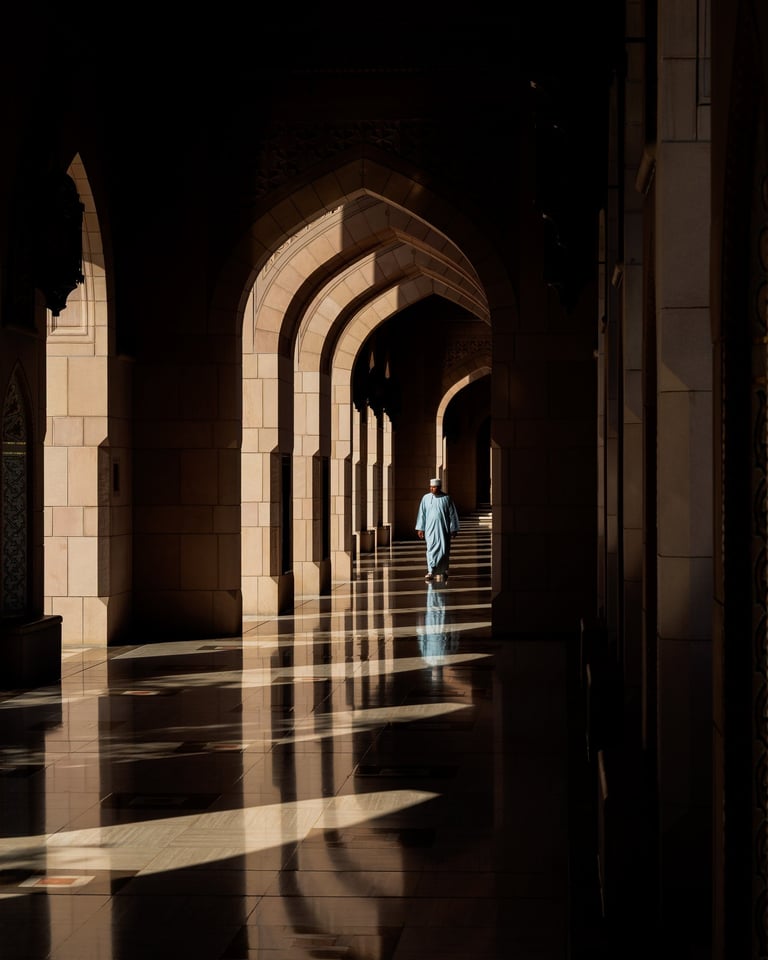
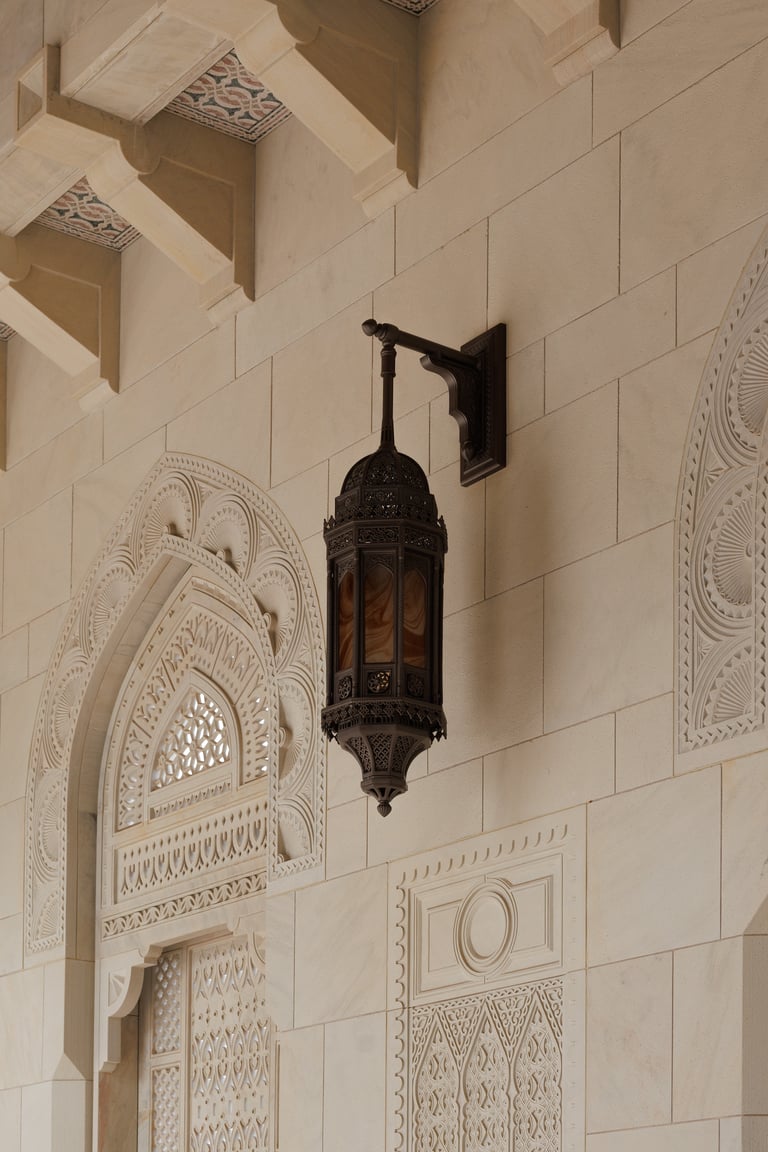
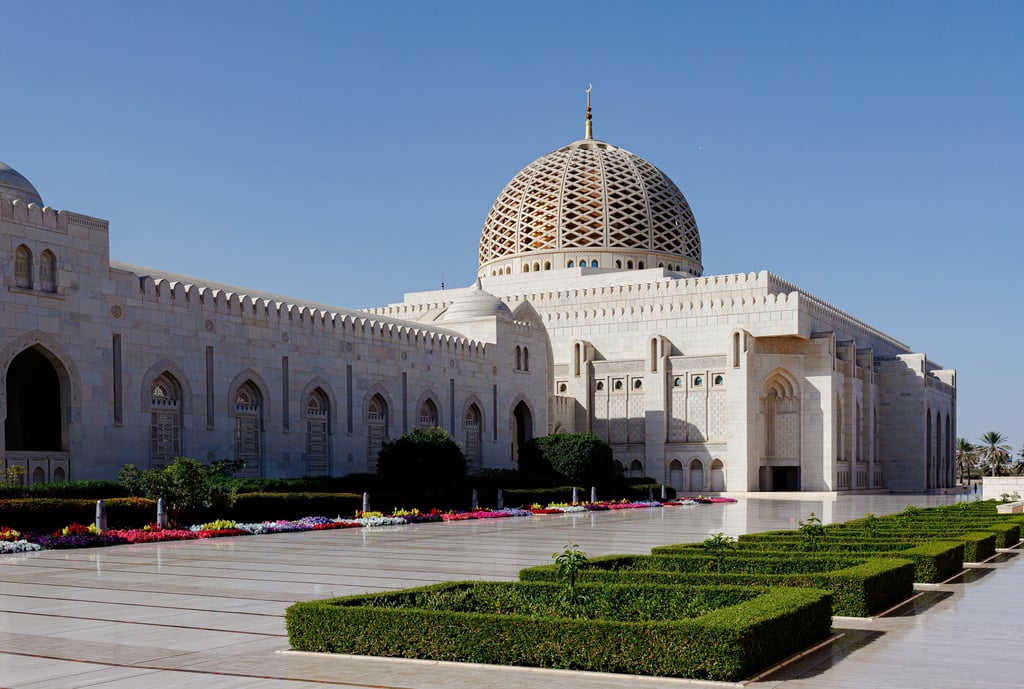
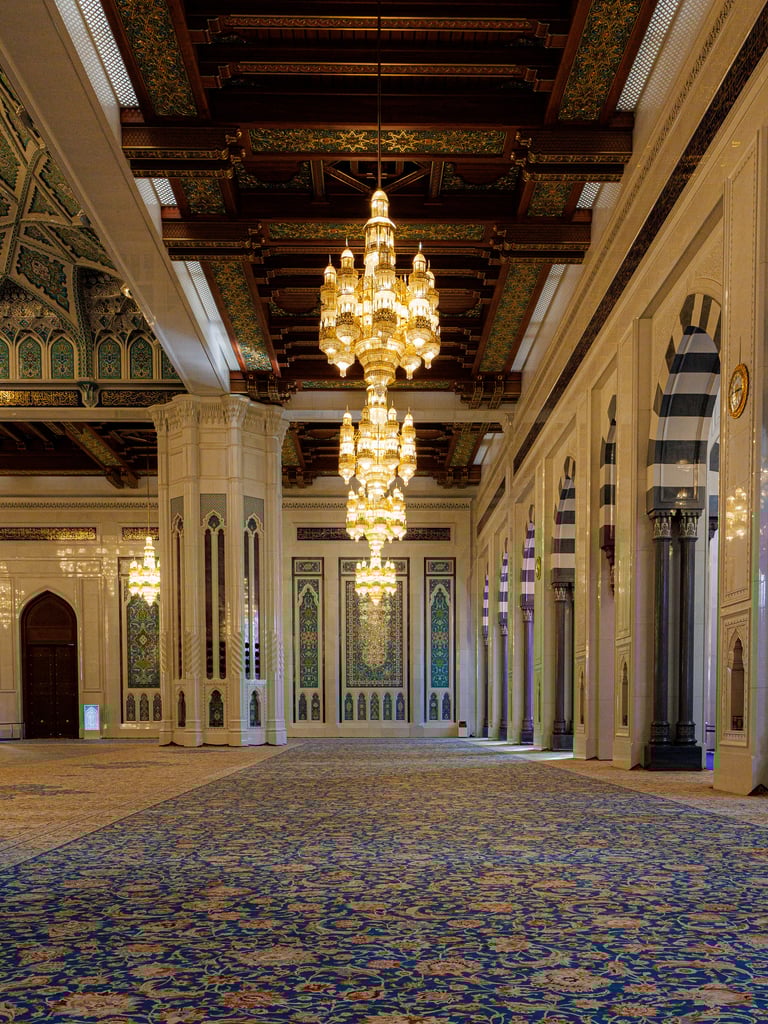
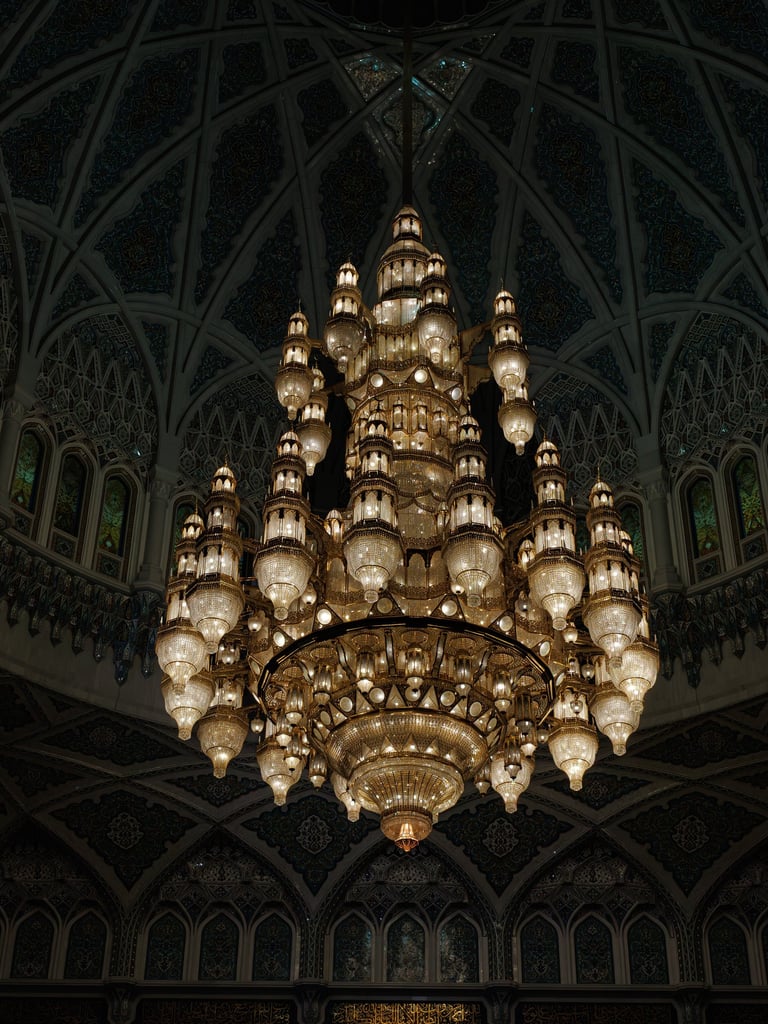
The Musalla, or prayer room, is no less impressive, measuring some 70 by 60 metres. A handmade Persion carpet covers the entire floor, whilst the ceiling is adorned by one of the world's largest chandaliers containing over 600,000 Swarovski crystals.
Muscat: Muttrah Souq
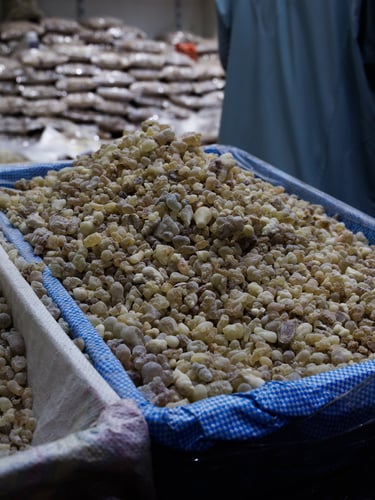
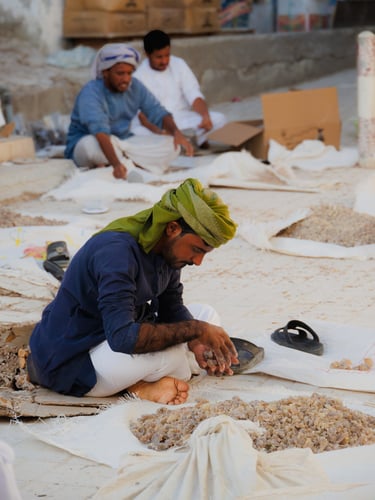
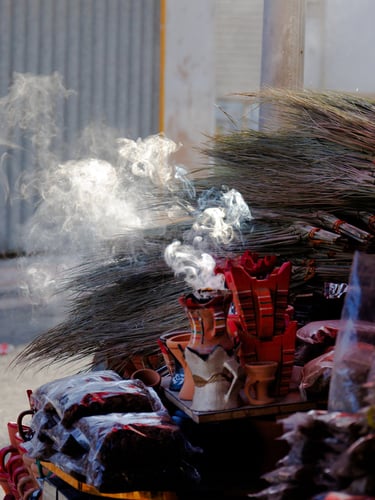
Muttrah Souq is a bustling area of Muscat, seemingly dominated by jewelry shops, but with plenty of spice, fabric and handicraft stalls. My enduring memory, apart from the mountains, is the smell of frankincense everywhere. If they are not burning it, they are chopping it up in order to burn it. It is harvested from the wild Boswellia sacra trees in the Dhofar region of Oman by making incisions in the tree bark and then letting the sap that flows harden.
I took a keen interest in it, as it is believed to have medicinal benefits, especially for arthritis pain, which I have in my hands. I bought some at the souq, but I am not entirely sure whether what I bought is edible or only suitable for incense. I suppose even if it is toxic, it would put me out of pain but I am inclined not to try having used up one of my lives already on the trip.
Muscat: Sunset Viewpoint
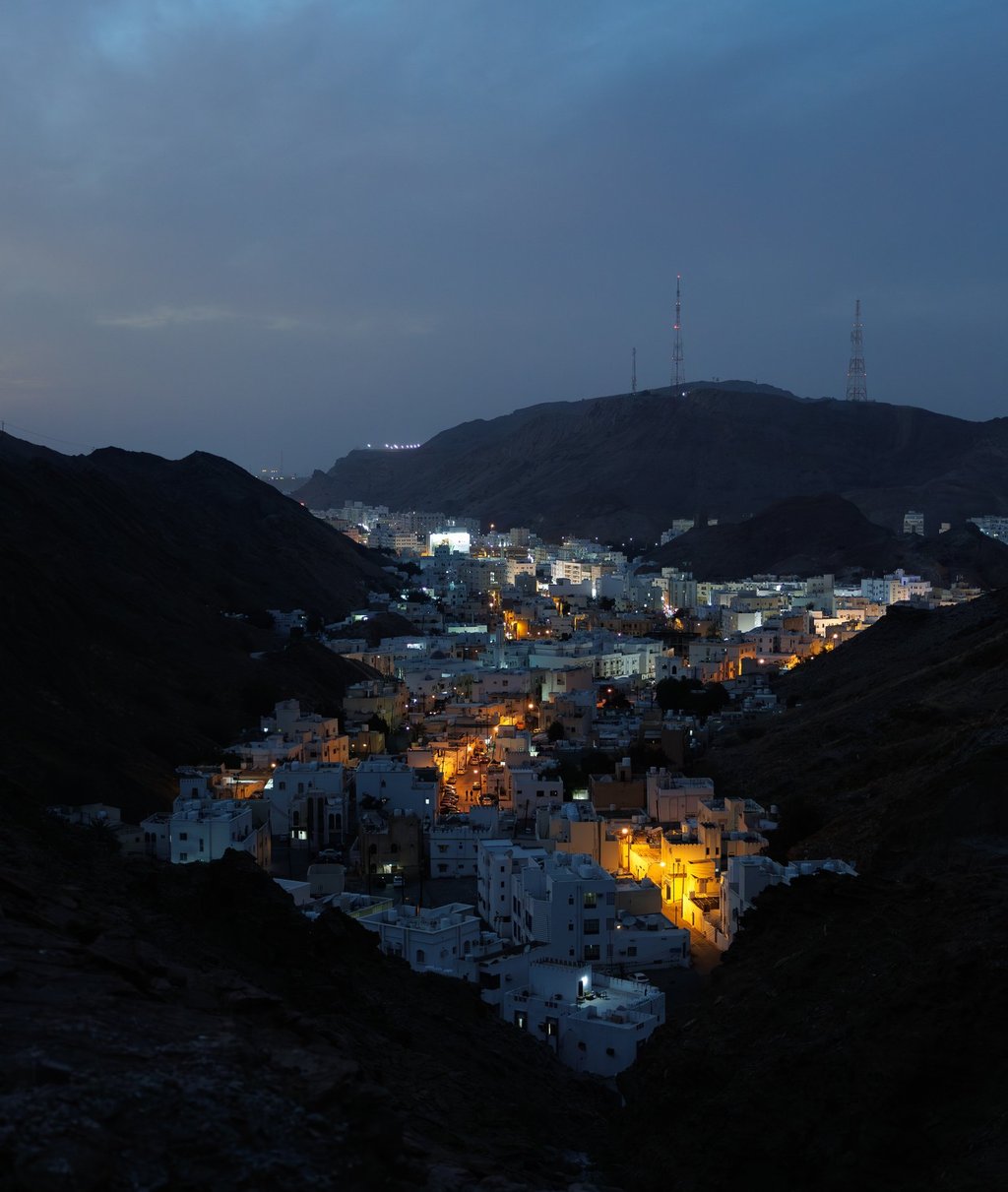
The city scape, and indeed architecture, throughout Oman is interesting. Whereas many of its neighbouring countries have embraced skyscrapers and modern finishes, Oman has determined to retain its traditional architectural asthetic. Hence you will find low rise buildings finished in white, ivory or beige. The sunset viewpoint we went to shows this clearly, and also the general terrain with the city nestling in the foothills of the mountains.