Tokyo: Asakusa and Sumida
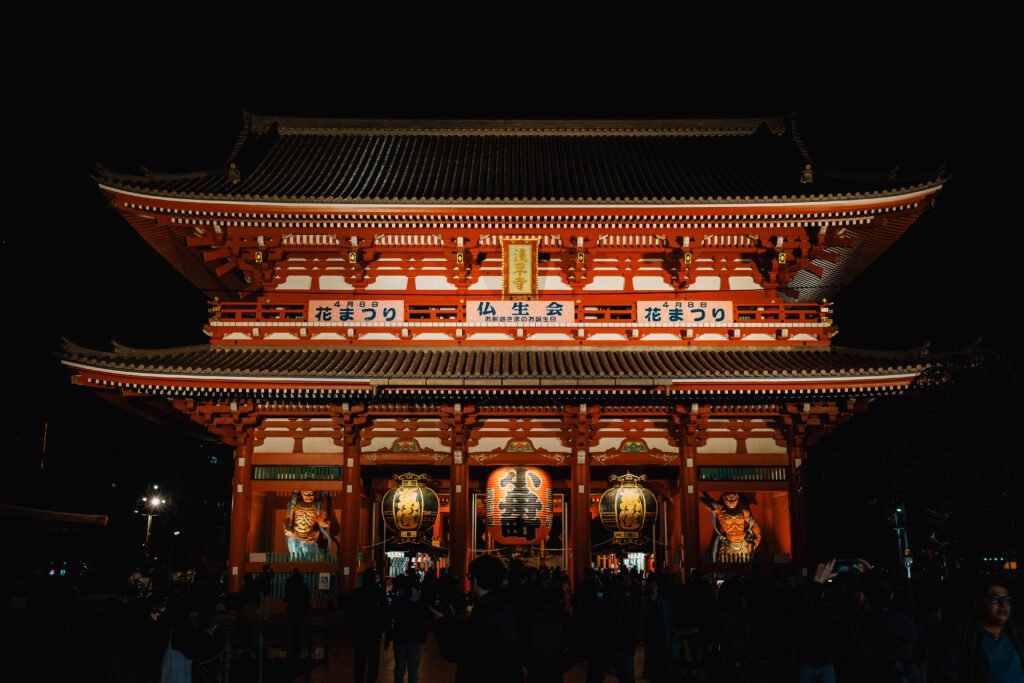
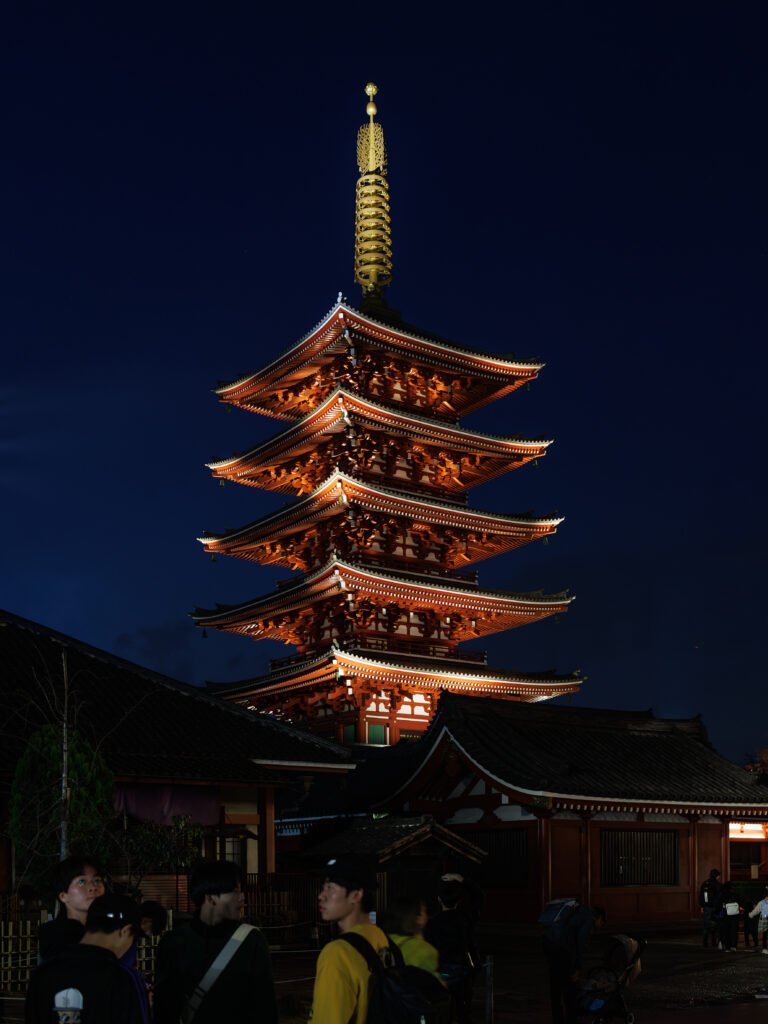
The Askakusa district is known for its traditional atmosphere, and at its centre is Tokyo’s oldest Buddhist temple, Senso-Ji which dates from 645 AD.
The temple was packed with people, like most places in Tokyo.
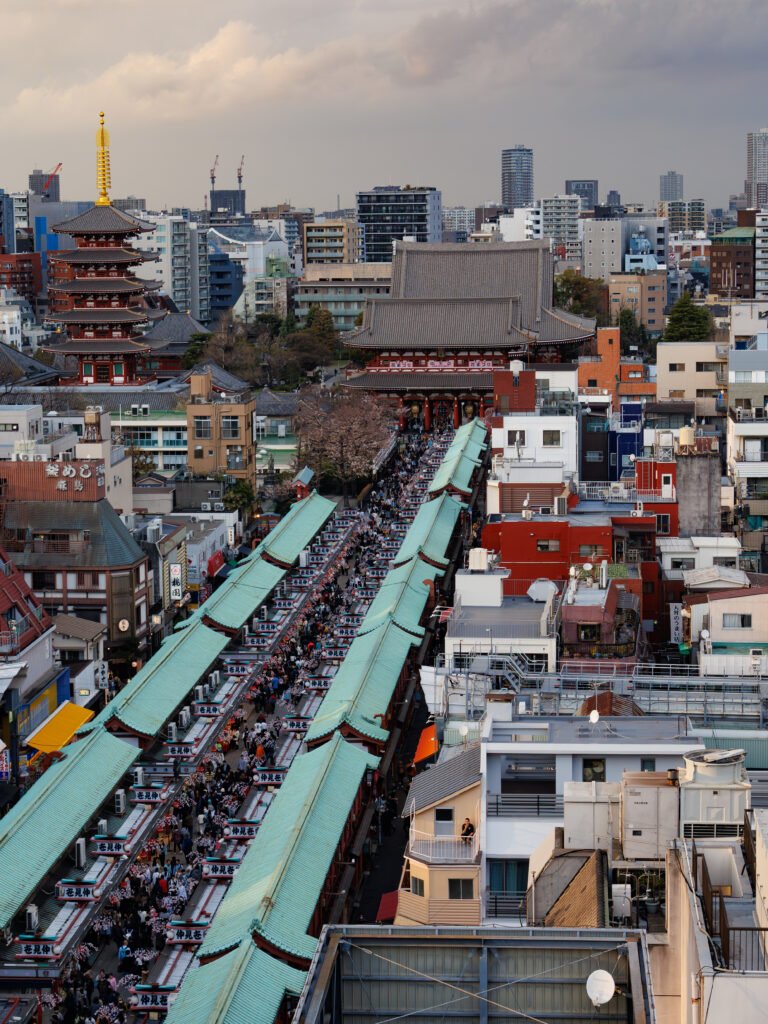
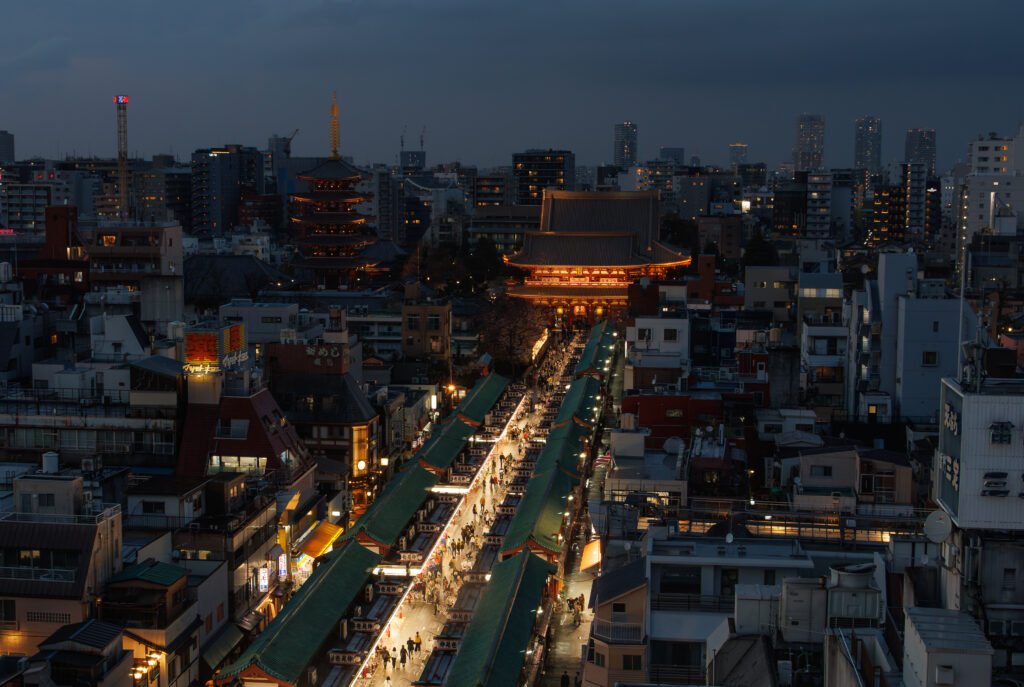
It was also hemmed in by the urban sprawl around it. To get an idea of this, I heard that you can get a good view from the tourist information centre building which overlooks it and conveniently has a cafe with a glass frontage for this very purpose.
There is a whole website devoted to the sakura predictions (sakura is the Japanese word for cherry blossoms and associated trees) which seemed to change as regularly as the weather forecast, and we were slightly concerned that our itinerary, planned on an earlier prediction, would no longer coincide with its appearance.
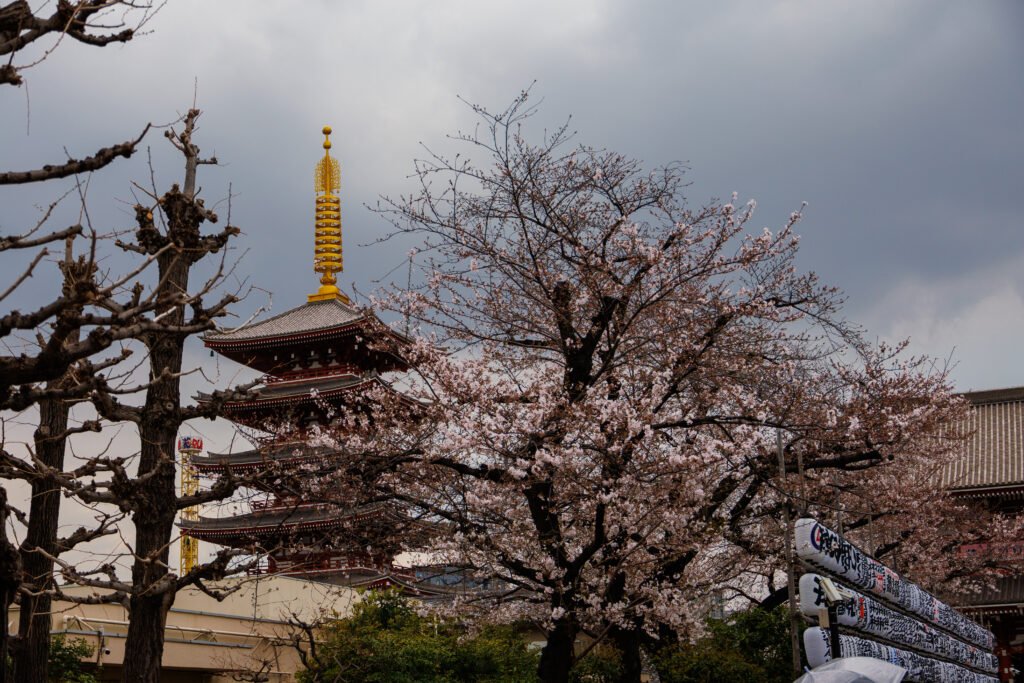
However, in the street that runs up to the temple, we got our first glimpse of a tree that seemed to have bloomed early. So at least we would get to see one.
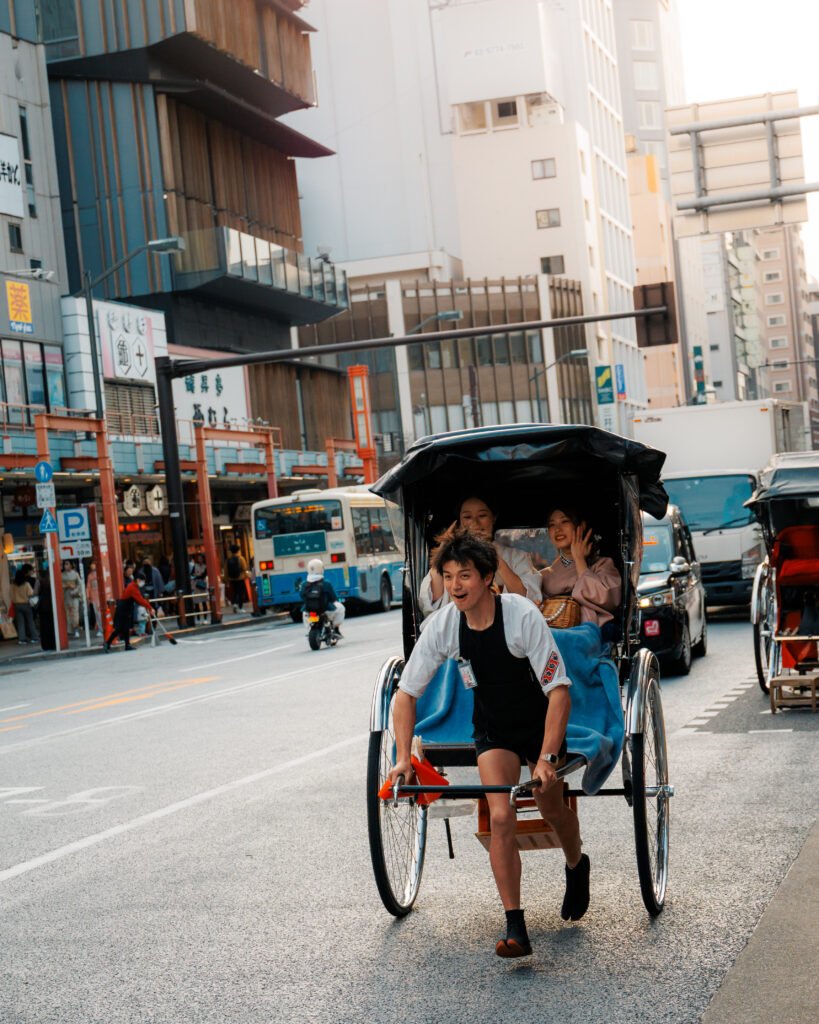
Outside in the streets of Asakusa are plentiful rickshaws (jinrikisha) which are two wheeled carriages pulled by hand by shafu, the Japanese word for the athletic guys who are also knowledgeable guides for their passengers.
I will have to just believe this, as I did not hire one myself, but they seemed a world away from the crass pedicabs which have infected London with their gaudy lighting, loud music and rip-off fares (channelling my grumpy old git side there, I guess).
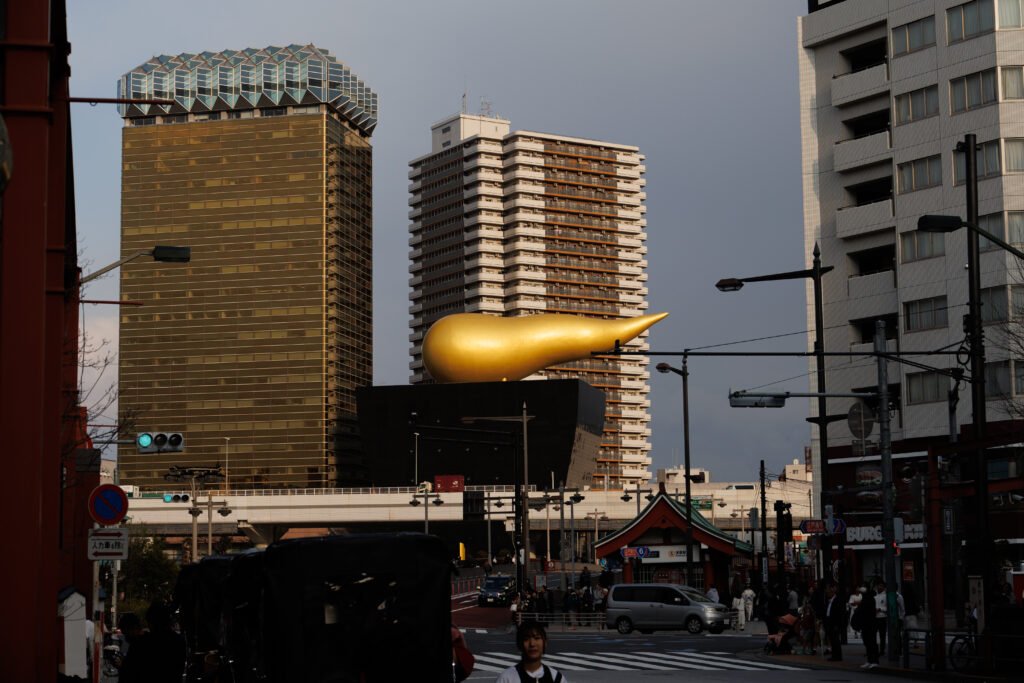
Close by to Asakusa is another district Sumida and next to the Azumabashi bridge, is a building that has gained some considerable attention. It belongs to the Asahi group, famous for their beer.
They commissioned architect Philippe Starck, and his idea was the main tower (on the left in the image below) would look like a pint of beer with the froth on top, and I can see that worked out pretty well.
But another element perhaps looked better on paper than it turned out; a symbol designed to represent the burning heart of Asahi beer. Sadly it has become known as the golden turd, and I think I can see that too,
As a child, I remember origami took the UK by storm after a man call Robin Harbin published a book about in 1969.
Despite the art being of Japanese origin and he being, apparently, a South African magician, he did very well out of it, I’m sure. Why he didn’t capitalise on bringing Japanese toilets to the UK I don’t know, since these really ARE magic.
After his book was featured on Blue Peter (a BBC television programme), we all set about creating bird and frog bases and whatever could be created from there.
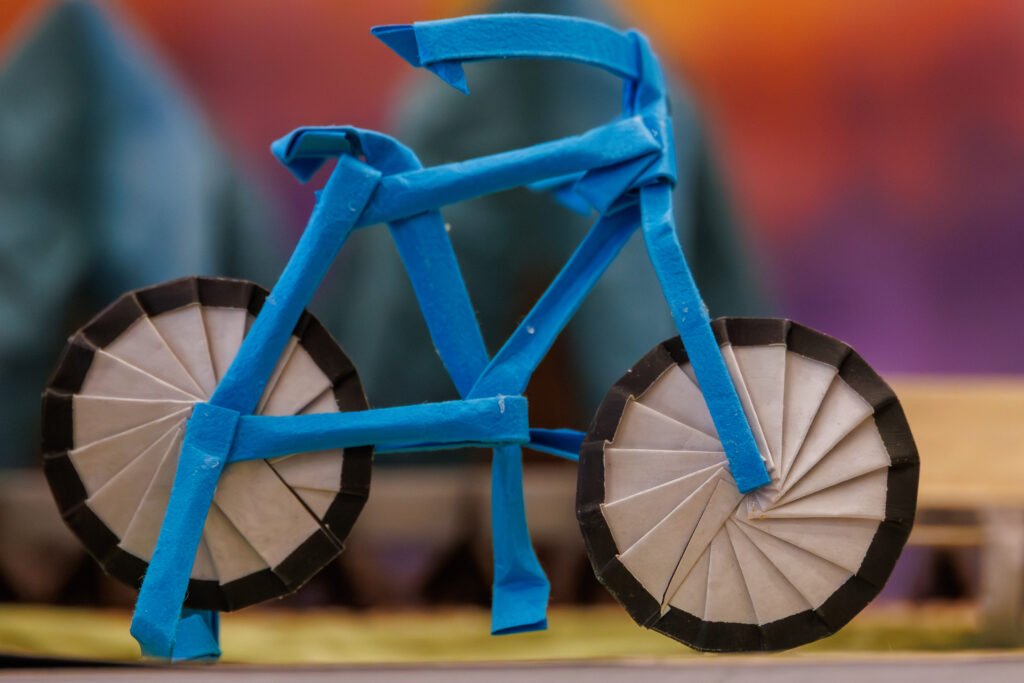
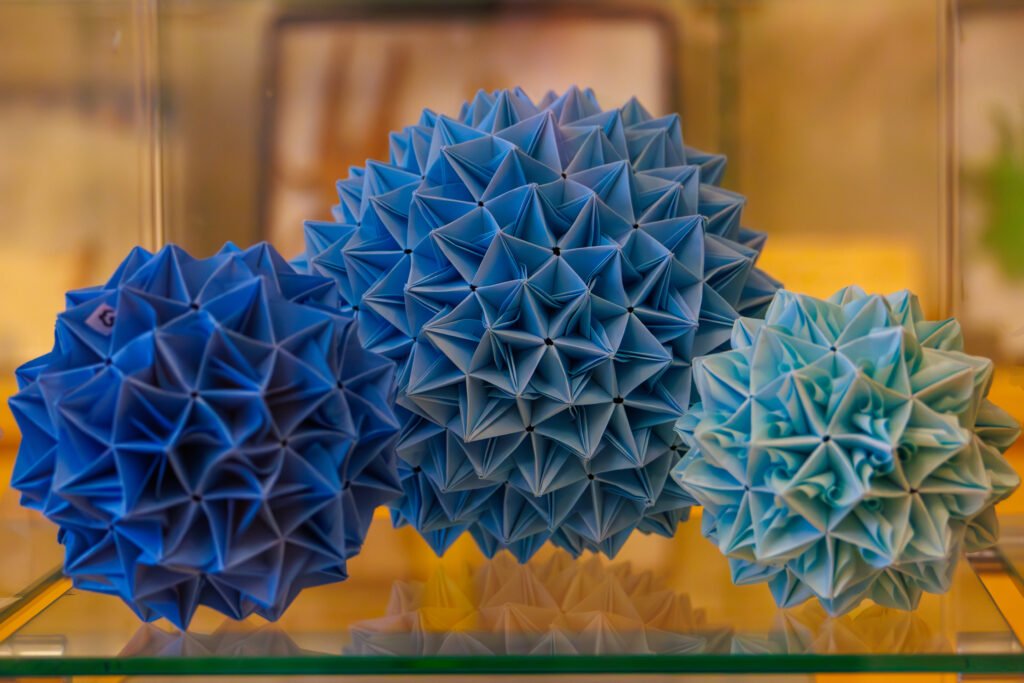
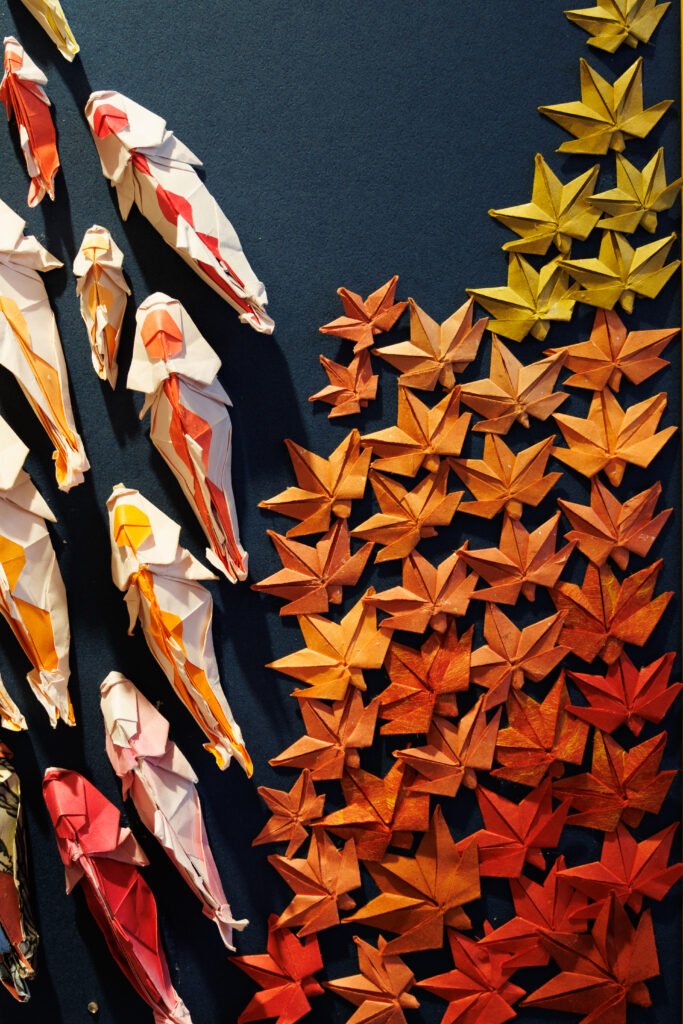
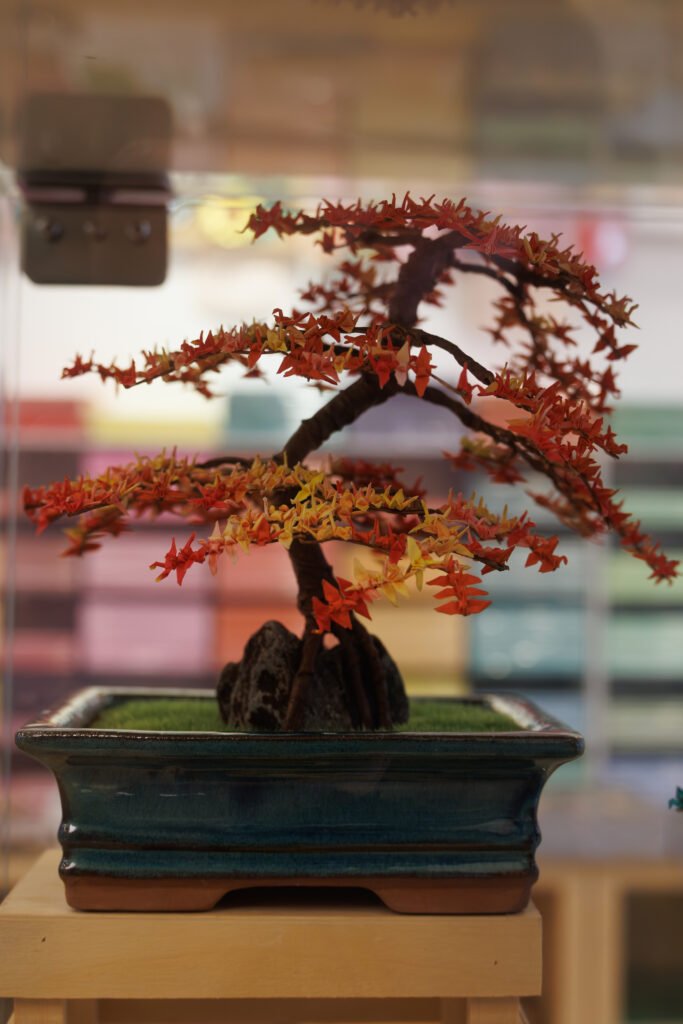
In Sumida, there was an origami museum which I decided to visit. I suppose I have a western idea of what a museum might look like, and this wasn’t it. It was more of small shop with models and paper you could buy, nonetheless it had some beautiful creations on display.
The shop was so small, I had to “fold” myself, hence it was actually difficult to photograph anything, so you’ll have to forgive the quality of the photos.
As evening was approaching and I wanted to capture a photo of the temple at night, a return to the tourist information centre was needed.
I cannot tell you how many cups of coffee/matcha/tea I purchased to maintain my prime position as the sun started to go down and the temple came alive with light but I think it was worth it, and the jet lag was still keeping me from sleeping well so what would a little caffeine matter?
Then back to the temple for a close photo of the entrance at night.